
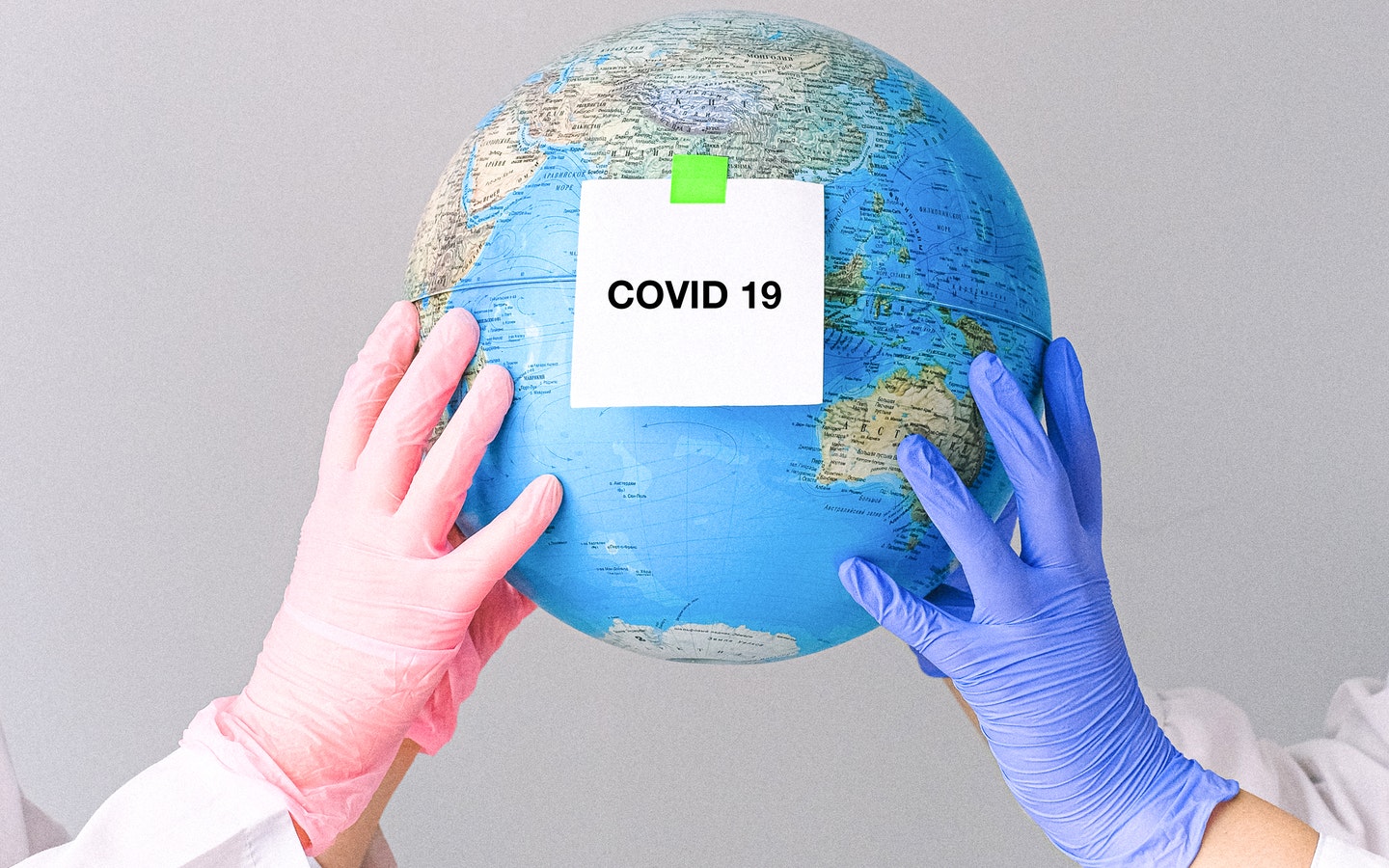
There’s no question that COVID-19 has altered the economies of many different countries around the world. The pandemic will also affect the way that humans and businesses interact and operate for a long time. Of course, the most sobering fact is that COVID-19 has led to the death of over 800,000 people. Many long-term effects are still unknown, given the fact that there hasn’t been enough time to study them.
The good news is that many of the individuals affected by COVID-19 have been able to recover. However, there isn’t much discussion regarding COVID-19 after effects. If you’re older, you might find that some symptoms persist even after your recovery. Here’s what to expect even after you recover from COVID-19. Many patients report that they have shortness of breath or fatigue, but there are also other COVID-19 after effects that have to be considered.
Heart Trouble
Just because someone has recovered from COVID-19; it doesn’t mean that their heart is intact. Believe it or not, a significant amount of people are still having heart issues afterwards. Specifically, a University of Frankfurt study concluded that 78% of patients still had cardiac problems of some kind. It’s one of the most common COVID-19 after effects.
There are some patients that recover from COVID-19 with their heart in healthy condition, but there have been cases where arrhythmia still exists. For those who are unaware, arrhythmia occurs when your heart is beating in an irregular rhythm.
“Brain Fog”
It would be smart to think about all of the potential physical issues that can result from the coronavirus. However, it may also affect the way that you think. Specifically, many patients that have recovered from COVID-19 have some kind of “brain fog.” The condition is called brain fog because patients report mental fatigue despite the fact that they have normal brain scans.
The phenomenon is already being dubbed the “Covid fog.” Many experts are revising their belief about whether diseases can affect the brain in a lasting manner, as well. Patients may have recovered from coronavirus, but they’re still experiencing mental health issues like anxiety and depression.
Lung Issues
We know that COVID-19 causes lung inflammation and lung damage. While patients might recover from coronavirus, the fact remains that one of COVID-19 after effects is pneumonia. For those who are unaware, pneumonia occurs when air sacs in the lungs become filled with fluid.
COVID-19 may not just lead to pneumonia, but other COVID-19 after effects also include respiratory distress syndrome and sepsis.
Protecting Yourself
Of course, there are steps that you and your family can take to remain safe. The obvious tips include handwashing and social distancing, but you should also clean and disinfect objects and surfaces in your home that are frequently touched. Also, make sure that you wear a mask whenever and wherever you go out in public, even if it’s for a short period of time.
Also, make sure that you stay up to date regarding local coronavirus cases and information. You should also pay additional attention to family members that might have an increased risk for illness in general.